
Colorectal cancer survivor Johnny Nelson of the Navajo Nation encourages people to be proactive about colon cancer screening and cognizant of their health, emphasizing that “preventive measures are the way to go.” When he lost a younger sister and brother to both colon and stomach cancers, Johnny made it a priority to get routine colonoscopies every few years.
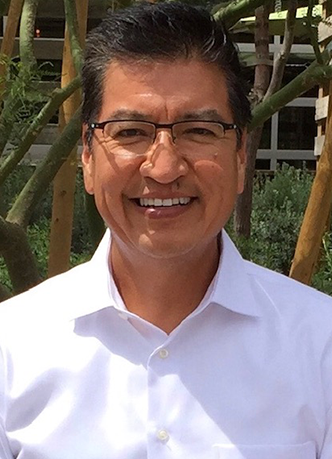
His first colonoscopy was done at age 38. Despite national screening guidelines that advised people to begin colon cancer testing at age 50 (new guidelines recommend age 45), Johnny knew the disease could be hereditary and talked to his doctor about getting screened anyway. Individuals with a first-degree relative such as a mother, father, sister, or brother who have been diagnosed with colorectal cancer should begin screening at 40 years of age or 10 years younger than the earliest diagnosis of their relative. During the procedure doctors found a polyp attached to his right side, which resulted in removing six inches of Johnny’s colon at a later appointment, due to the size and shape of the polyp. After this Johnny became more mindful of his health, dedicating more time to fitness, nutritious eating and living a healthier lifestyle, all behaviors that can help reduce one’s cancer risk.
By December 2011, the time was approaching for Johnny to have another screening, just as he did every two to three years. Going into it, he felt he was at the “healthiest, fittest time of his life.” He was shocked when he heard doctors had discovered a large mass on his right side, which turned out to be stage 3 colon cancer. Initially he didn’t believe it because there were no physical indicators, but colon cancer often develops without any signs or symptoms. His friends and family were equally as shocked, but continued to be supportive through the healing process, especially since Johnny had already lost two siblings to colorectal cancer.
After removal of the tumor and six months of chemotherapy, today Johnny lives cancer free. Because he also has Lynch Syndrome – a hereditary condition that puts him at higher risk for recurrence – he stays on top of scheduling appointments with an oncologist, now visiting the doctor annually for a routine colonoscopy and to check his blood work. Johnny continues to be an avid supporter of screening and living a healthy lifestyle, as taking these precautions can help lower the risk of colon cancer in Native people. It’s important for American Indians and Alaska Natives to talk with their doctors about colon cancer screening; guidelines recommend both men and women ages 45-75 should be screened.
“It’s so simple and definitely inexpensive compared to the alternative,” Johnny stressed, “it’ll save you a lot of heartache.”
Thank you, Johnny Nelson for sharing your story